
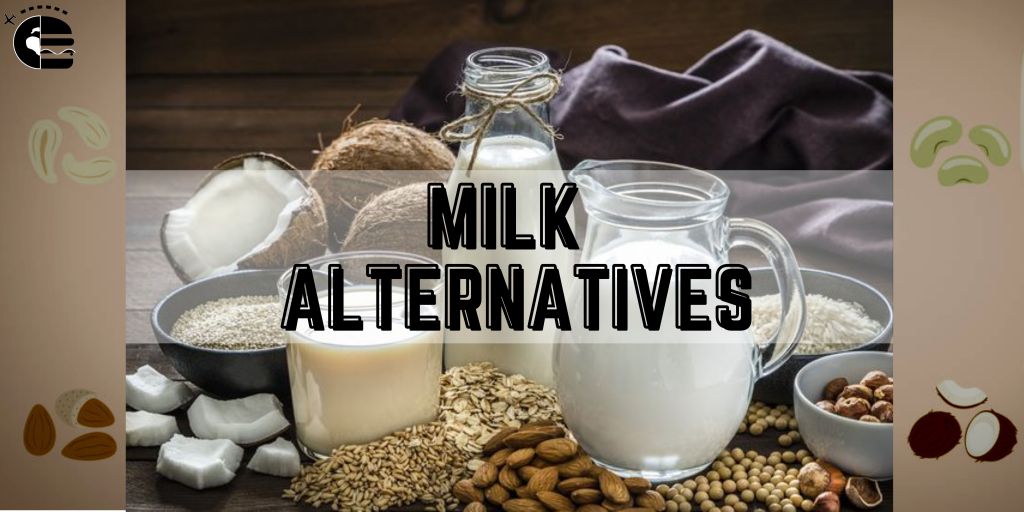
Many people consider cow’s milk to be a necessity in their diets. It can be drunk, poured over toast, or mixed into smoothies, tea, or coffee.
Many people choose not to consume milk due to several reasons. It might be that the person is lactose intolerant, has some drastic side-effects or maybe the person is a vegan.
Why Would We Need a Substitute?
Cow’s milk has a nutrient profile that is second to none. It’s packed with high-quality protein as well as essential vitamins and minerals like calcium, phosphorus, and B vitamins.
In reality, one cup of whole milk (240 ml) contains 146 calories, 8 grams of fat, 8 grams of protein, and 13 grams of carbohydrates.
Cow’s milk, on the other hand, is not for all. You may be looking for an alternative for a variety of reasons, including:
- 2–3% of children under the age of three have a cow’s milk allergy. Rashes, vomiting, diarrhea, and extreme anaphylaxis are some symptoms that can occur. By the age of 16, about 80% of children have outgrown their allergies.
- Lactose intolerance affects an estimated 75 percent of the world’s population. Lactose is a sugar found in milk. Lactase deficiency, or a lack of the enzyme that digests lactose, causes this disease.
- For ethical or health reasons, some people chose to eliminate animal products from their diets. Vegans, for example, avoid all animal-derived products, including cow’s milk.
- Some people avoid cow’s milk due to concerns about antibiotics, pesticides, and hormones, among other pollutants.
So, let’s see what milk alternatives we have in our basket. You will find all these milk alternatives either in grocery/departmental stores or online. We suggest you purchase from the 100% grocery apps for better quality products.
1. Soy

Unsweetened soy milk, perhaps the first milk alternative (and the most nutritionally equivalent to dairy milk), has around 80 calories per cup and 8 grams of plant-based protein derived from soybeans. Soy milk is made by soaking and mixing these tiny beans, then straining the pulp before drinking. Soy alternatives are also high in antioxidants and fiber, and they provide important polyunsaturated fats. You can try Kirkland Signature, Pacific Foods, Yeo’s, Kikkoman Pearl, and Sunrich Naturals.
2. Oat Milk

Oat milk, the newest addition to the group, is a rich, lightly flavored addition to coffee, tea, cereal, or a homemade smoothie. According to preliminary studies, it includes added fiber, which can make it more filling than other alternative milk. However, oat milk contains less protein than nonfat cow’s milk or soy-based alternatives. You can go for Califia Farms, Oatly Oat Milk, Pacific Foods, Thrive Market, and Oatsome.
3. Coconut Milk

Coconut Milk has a tropical flavor as compared to other plant-based milk since it is made from water and coconut cream. Coconut milk has a higher fat content and lowers carbohydrate content than nut or grain-based milk. The majority of the calories come from saturated fat, which can amount to up to 4g per cup or 20% of your daily value. The creamy texture and fat quality, on the other hand, help to increase satiety. We recommend you brands like So Delicious, Trader Joe’s, Coconut Dream, Native Forest, and Thai Kitchen.
4. Almond Milk

The majority of commercial almond milk has 35-90 calories per cup, and there are a variety of blends and unsweetened varieties to choose from. They’re mainly made of almonds and water, with a few other emulsifiers and fortifying nutrients thrown in for good measure. We get around 1 gram of protein and 1 gram of fiber per serving in the lower-calorie versions. If we’re using almond milk as a dairy substitute in homemade smoothies, we should bear in mind the low protein content. Epigamia, Blue Diamond, So Good, Raw Pressury, and Sofit are some brands you should try.
5. Cashew Milk

In tea or homemade tea lattes, cashew milk is particularly delicious. For a midday boost of L-theanine, a compound contained in matcha that has been connected to cognition and concentration, try it with matcha. Cashew milk is made in the same way as almond milk (soaking, mixing, and straining) and has a similar nutritional profile, with about 40-50 calories per cup. Cashews contain zinc, copper, and magnesium, all of which are beneficial to your immune system. Some brands expert in Cashew milk are Forager Project, Silk, Elmhurst, So Delicious, and Cashew Dream.
6. Peanut Milk

Peanuts are the crown jewel of foods since they are beneficial to both you and the environment. They have a similar flavor and nutritional profile to tree nuts (almonds, walnuts, cashews, and hazelnuts), but they grow underground and use significantly less water. The best thing about peanut-based products is that they are much less expensive and higher in protein than other dairy alternatives. Recommended brands are So Good, Jus Amazin, Raw Pressury, and Urban Platter.
7. Rice Milk

Rice milk is produced by combining rice and water in a blender. In its unsweetened form, it’s also lowered in calories than other milk alternatives, but since the taste is so subtle, most varieties contain added sugar. If we are allergic to nuts, seeds, or legumes, we might be better off with an alternate grain mix. You can try Rice Dream, Kirkland Signature, Pacific Foods, and Better Than Milk.
8. Walnut Milk

If we want to increase our intake of plant-based omega-3s, walnut milk is a great option. It has a slightly earthier flavor than other milk and has 3 grams of plant-based protein per 120 calories. It’s great in tea or coffee to mix things up in the morning, or in smoothies to balance out sweet fruits. Examples of some brands are Elmhurst, Vegemil, Milkadamia, Pacific Foods, and 137 Degrees.
9. Hazelnut Milk

Unsweetened hazelnut milk has around 1 gram of fiber and protein, 30 calories per cup, 90 milligrams of sodium, and 3 grams of fat. It has a mildly sweet and nutty flavor to it. Hazelnuts themselves are high in heart-healthy omega-3 fatty acids and antioxidants, but those nutrients are watered down in milk. Best in the market are Pacific Foods, Elmhurst, Innocent, and Alpro.
10. Banana Milk

This is a nut-free recipe with no added sugar because bananas are naturally sweet. The milk has a distinct taste and makes a rich and creamy smoothie foundation. Moola’s Original Banana Milk has 60 calories, 3 grams of fat, 15 milligrams of sodium, and 1 gram of fiber and protein per cup. Needless to say, Korean brands serve the best banana milk. We still list some brands here- KS Foods, Amul, Storia, Raw Pressury, and Binggrae.
Apart from the above mentioned alternatives, unsweetened soy or pea-based blends (That’s right, you read that correctly!) fortified with calcium and vitamin D are also the best milk alternatives. These two nutrients are more easily absorbed when ingested together, and they’re good for strong bones, hormone control, and overall immunity — particularly in kids. If you’re following a vegan diet, look for blends that include vitamin B12, vitamin A, and DHA/EPA omega-3 fatty acids. Avoid milk substitutes labeled “barista mix.” They’re better for frothing, but they’re also loaded with sugar. Instead, add vanilla, clove, or a cinnamon stick to a hot cocktail.
Written by: Sayantika Chatterjee
Graphics by: Muskan Mittal


Leave a Reply